High Rents, Cafeteria Closed
Students groan under high living costs
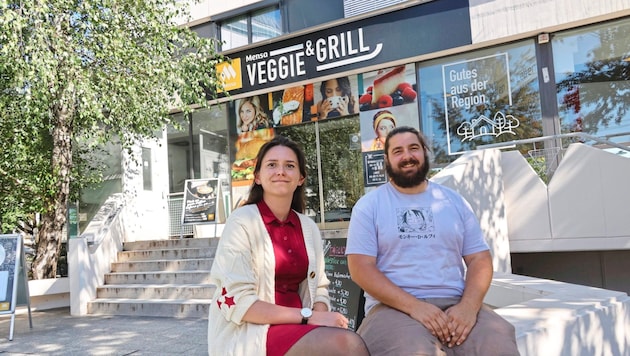

More than 60,000 students will return to Graz’s universities early next week, 30,000 of them to the University of Graz. Rising prices are pushing more and more students to their limits—and now the cafeteria on Sonnenfelsplatz is closing as well.
 Kronen Zeitung als bevorzugte Google-Quelle hinzufügen
 The campus of the University of Graz is slowly starting to buzz with activity again: First-year students are flocking across Sonnenfelsplatz, the outdoor seating areas of the cafés are full, and some are climbing the steps to the cafeteria entrance. It’s still open, but on October 1, this institution of student life in Graz will close. “The location has not been financially viable for years, and the costs have long since exceeded revenue,” said the operator, the Austrian Cafeteria Operating Company.
The closure can’t be attributed to a lack of demand. “Five to ten people a day come in just for the cafeteria stamp,” says Maja Höggerl (VSStÖ), chair of the ÖH at the University of Graz. With this stamp, the cafeteria meal is subsidized by 90 cents. Now, KF students have to travel to the Technical University to use the stamp. “The whole point of the cafeteria is to offer students an affordable lunch. Giving that up is crazy,” says Höggerl. “With a price of less than ten euros for a meal, the private sector simply can’t compete.”
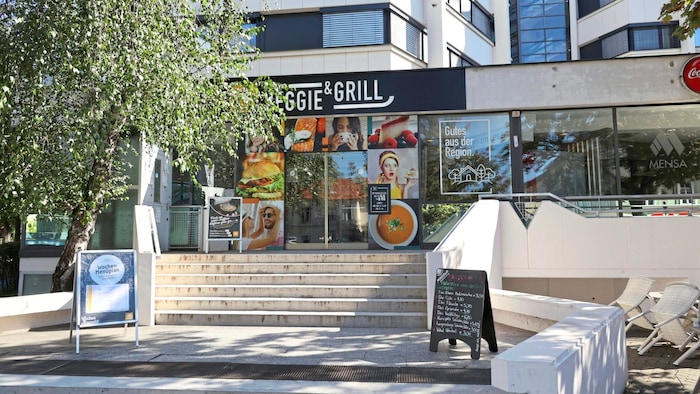
The ÖH continues to fight to keep the cafeteria open, says Philip Zörner, vice chair of the Action Group. “If that’s not possible, we’re calling for a student kitchen with microwaves, kettles, and workspaces or dining areas. Students keep asking us for this.”
Social Fund Reaches Its Limits
The ÖH also hears firsthand about students’ financial concerns. “Our emergency fund has 140,000 euros—we’re reaching our limits with that,” says Höggerl. Typical emergencies include a broken washing machine, a stolen bike, the loss of a part-time job, but also rising rents or parents who can no longer afford to support their children.
“The percentage of students who work is rising, and our mental health support services are being fully utilized,” says Zörer. Student representatives expect more support from policymakers: “After all, graduates are the professional group that pays the most taxes.”
This article has been automatically translated,
read the original article here.











Da dieser Artikel älter als 18 Monate ist, ist zum jetzigen Zeitpunkt kein Kommentieren mehr möglich.
Wir laden Sie ein, bei einer aktuelleren themenrelevanten Story mitzudiskutieren: Themenübersicht.
Bei Fragen können Sie sich gern an das Community-Team per Mail an forum@krone.at wenden.