New project
The Pannonische Tafel goes among the fashion designers
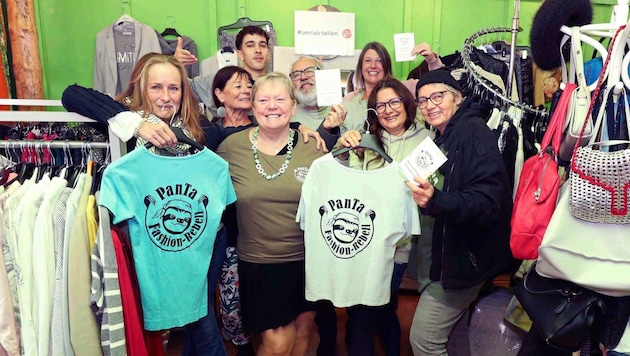

In Austria, around 221,800 tons of clothing and textiles end up in the garbage bin or in the used clothing collection every year. The premises of the "Tafel" food banks in Burgenland are also overflowing with donated clothing. This is why the social organization is now launching its own recycling label.
 Kronen Zeitung als bevorzugte Google-Quelle hinzufügen
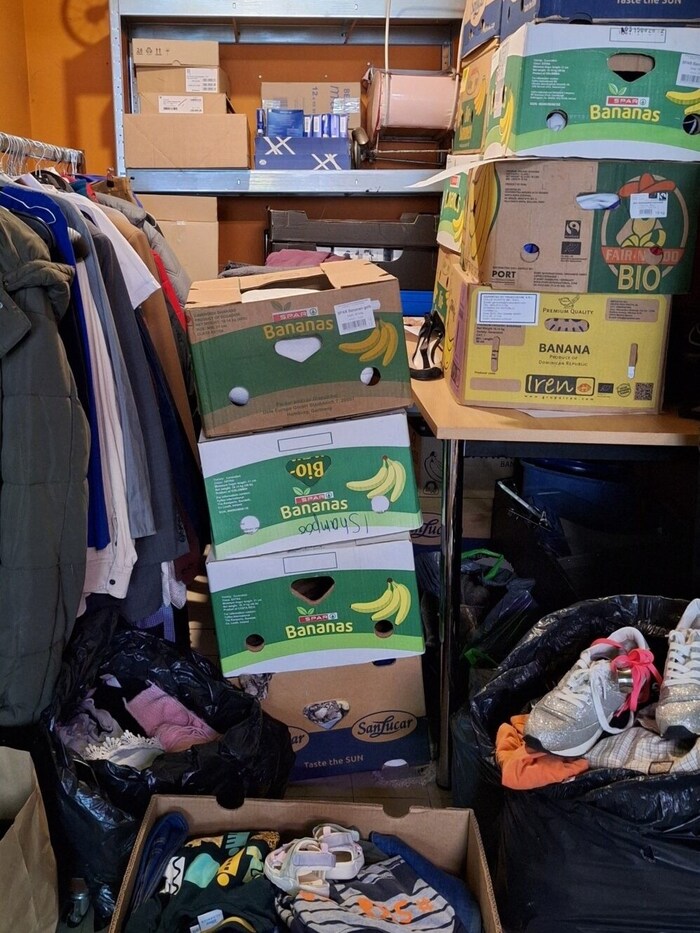
 In order to dispose of clothes sensibly and do something good for others, Burgenland residents who are happy to donate cart countless bags and boxes of clothes that they no longer wear themselves to the Pannonische Tafel every day. A considerable proportion consists of high-quality branded goods. Many products still have price tags attached, and some are even handed over in their original packaging. This is why the goods quickly find new owners. However, the oversupply is causing capacity problems.
"Whether in Eisenstadt, Oberpullendorf or Oberwart: we are bursting at the seams at all locations and no longer know where to put the many pants, shirts, blouses, skirts, jackets, coats, sweaters and shoes that can be bought from us at a bargain price of three to four euros per item," says Andrea Roschek, Managing Director of the social institution.
The root of the problem
In order to get the vast quantities of clothing to people outside the market halls, the Tafel is now organizing pop-up gift markets where anyone can pick up clothes for free. Clothes stands are also set up at food and flea markets. Children's and homeless shelters in Hungary and Romania are also supplied. But all these campaigns are not enough, says Roschek and points to the root of the problem:
"Hardly any other industry wastes our planet's resources as unrestrainedly as the fast fashion industry. Despite this, cheap fashion is still being produced every day. Highly toxic chemicals are used, which endanger the health of the exploited workers and also the environment. All the junk that is not sold is incinerated in huge landfill sites. The smoke pollutes the air and is responsible for up to ten percent of harmful greenhouse gases every year."
Sloth as a recognition feature
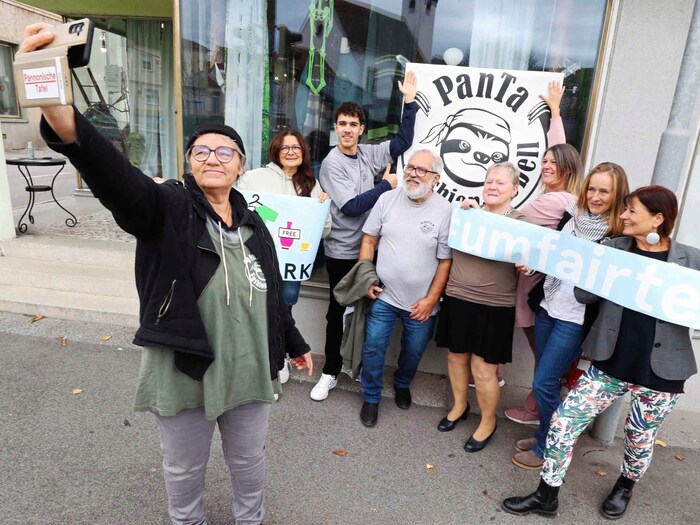
To raise people's awareness of the global damage caused by superfluous disposable fashion, the Tafel launched a sustainable textile project with the Packaging Coordination Office a few weeks ago. With the funding it received for this, a sustainable fashion label called "PanTa Fashion Rebell" will be launched tomorrow. Donated T-shirts, hoodies and jackets will be provided with a special logo. It was designed by art director Elke Marksteiner from Eisenberg. Graphic designer Jürgen Giefing from Baumgarten is responsible for the printing.
The logo features a sloth. But what's it all about? "Sloths live a very resource-conserving life and are therefore the ideal mascot for our awareness campaign. Anyone who buys a piece from our collection not only gives worn clothing the chance of a second life, but also commits to mindful clothing consumption and becomes an ambassador for our brand - in short, a PanTa Fashion Rebel."
This article has been automatically translated,
read the original article here.











Da dieser Artikel älter als 18 Monate ist, ist zum jetzigen Zeitpunkt kein Kommentieren mehr möglich.
Wir laden Sie ein, bei einer aktuelleren themenrelevanten Story mitzudiskutieren: Themenübersicht.
Bei Fragen können Sie sich gern an das Community-Team per Mail an forum@krone.at wenden.