Medical innovation
Even bones grow in the Kepler University laboratory


How can complication rates be reduced and the number of stays in surgery be cut, which in turn reduces the burden on the healthcare system? Researchers at the Institute for Chemistry of Polymers at Kepler University in Linz are also looking into this question. They have developed biomaterials that are used to produce synthetic bones.
 Kronen Zeitung als bevorzugte Google-Quelle hinzufügen
 "The materials are made from natural substances, such as those found in human bone. They can be specifically adapted to the defect and for each patient using 3D printing and do not remain in the body, but are broken down over time," explained Eleni Priglinger from the Johannes Kepler University's Med Campus at the presentation of the State Prize for Innovation for the "synthetic bones" from Linz.
"We take amino acids and chemically modify them in the lab to make them as easy to work with as plastic," added Ian Teasdale from the Institute for Chemistry of Polymers, which is housed in the TNF Tower on the JKU campus.
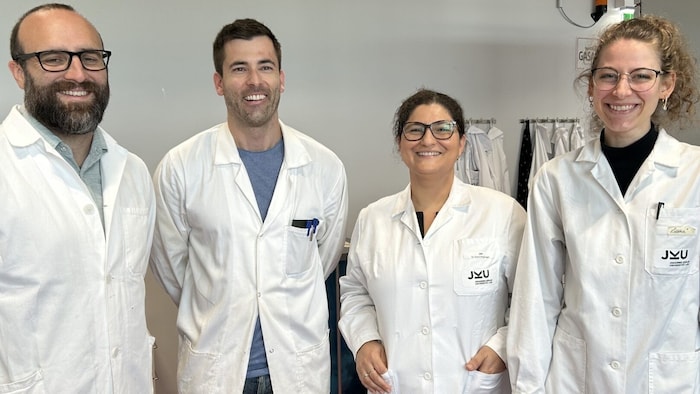
Here on the seventh floor, everything revolves around research in the field of polymer chemistry - and the development of synthetic bones. After intensive research work, it has been possible to produce biodegradable materials that can be used to treat bone defects.
"During development, we were specifically inspired by nature," reveals Teasdale. Priglinger is certain: "It will change patients' lives." Lower complication rates and fewer visits to the operating theater should reduce the burden on patients and the healthcare system.
This article has been automatically translated,
read the original article here.











Da dieser Artikel älter als 18 Monate ist, ist zum jetzigen Zeitpunkt kein Kommentieren mehr möglich.
Wir laden Sie ein, bei einer aktuelleren themenrelevanten Story mitzudiskutieren: Themenübersicht.
Bei Fragen können Sie sich gern an das Community-Team per Mail an forum@krone.at wenden.